





Comparing Custom Solar Solutions With Pre-Designed Systems
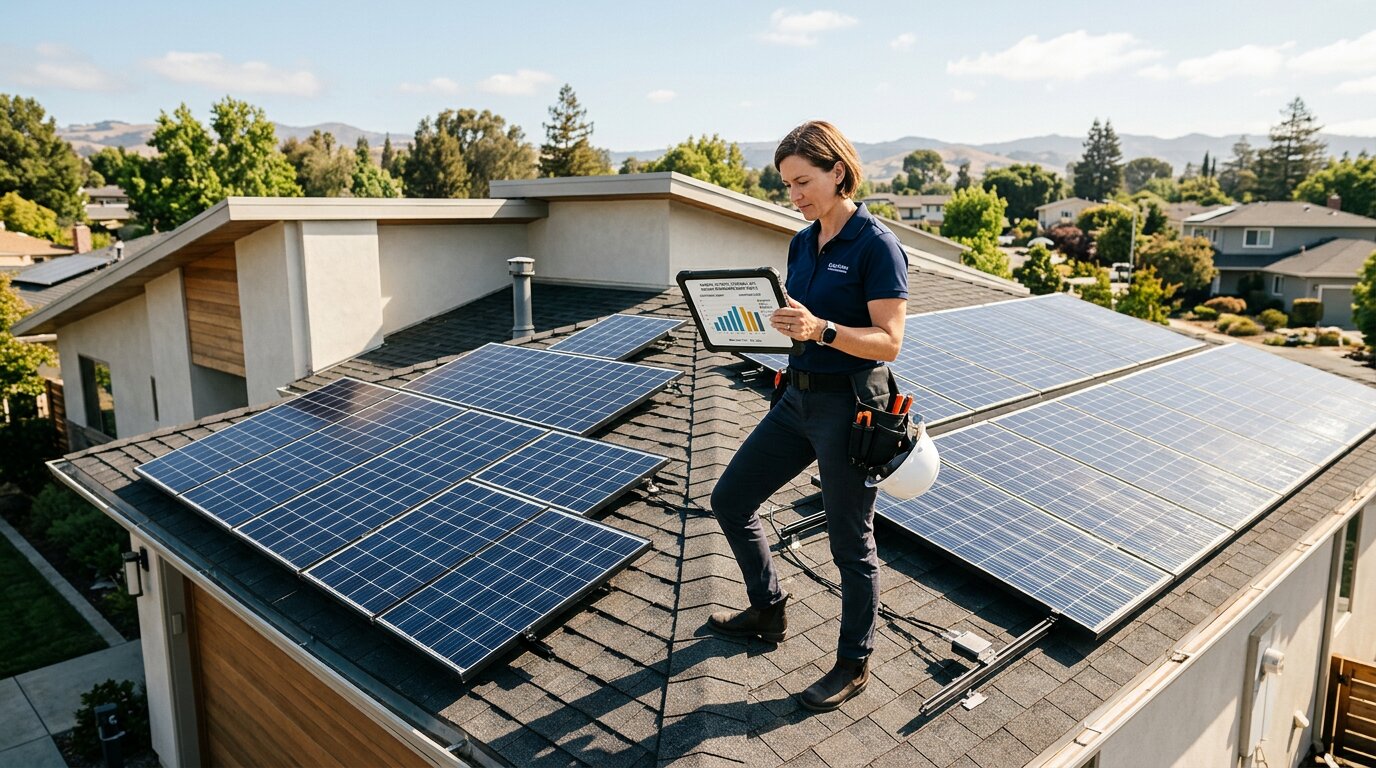
If you're considering solar power, you'll likely weigh the benefits of custom solar solutions against pre-designed systems. Each option offers distinct advantages and challenges, from cost and installation complexity to efficiency and long-term support. You'll need to think carefully about how these factors align with your property needs and financial goals. Before making a decision, it's important to understand what sets each system type apart—and how those differences could impact your energy future.
Key Differences Between Custom and Pre-Designed Solar Systems
When evaluating solar installations, it is important to understand the key differences between custom solutions and pre-designed systems. Custom solar installations are characterized by their tailored approach, where each component—such as inverter size and panel placement—is specifically configured to align with an individual household's roof structure, energy consumption, and unique power requirements.
This design process takes into account factors such as the orientation of the home and any anticipated future energy needs, allowing for a cohesive integration of components that aims to maximize efficiency and performance.
In contrast, pre-designed solar systems provide a more standardized option that can simplify the purchasing process for homeowners. However, these systems may not adequately address the specific circumstances of every household, potentially leading to less optimal performance in certain situations.
While custom solutions typically involve higher upfront costs due to the personalized design and installation process, they can offer significant cost savings over time. This is achieved through enhanced energy production and efficiency tailored to individual usage patterns.
Homeowners frequently inquire about the comparative advantages of these solar options, especially regarding their flexibility and the potential for expanded energy benefits. It is essential for potential solar adopters to weigh these factors carefully when deciding which type of system best meets their needs.
How Design Impacts System Efficiency and Savings
The design of a solar system significantly influences its energy efficiency and potential savings over time. A custom solar solution is specifically tailored to the unique aspects of an individual's property, including roof orientation, actual household energy consumption, and anticipated future energy needs.
Key components such as inverter size, electrical power generation capacity, and overall system architecture are integrated to optimize value.
Custom solutions are preferable to standard pre-designed systems as they align energy production with specific usage patterns and local energy tariffs. Homeowners will find that an effective design, which considers their distinct circumstances, is essential for maximizing cost efficiency.
For more detailed insights on selecting the most suitable solution for your solar system, consulting the Frequently Asked Questions section can provide further guidance.
Suitability for Different User Needs and Scenarios
User requirements are a critical factor in determining whether to pursue custom solar solutions or pre-designed systems, as each option serves different needs. Households with specific energy demands—shaped by usage patterns, roof orientation, or particular electrical components—may find that tailored solutions are more effective, especially when considering Solar Panels in Jersey City.
Custom systems can be designed to account for various technical specifications, including design factors, inverter size, and anticipated future energy needs, ensuring that all components work cohesively for optimized cost savings.
Conversely, pre-designed kits may be more suitable for first-time users or homeowners seeking a straightforward and efficient purchasing process. These kits typically offer a simplified installation experience, which can be beneficial for individuals who may not be well-versed in solar technology.
Questions from consumers often emphasize the ease of using these systems, underscoring the importance of understanding personal energy goals to make an informed decision.
Ultimately, the choice between custom and pre-designed solutions should be based on an accurate assessment of individual circumstances and requirements.
Installation Complexity and Long-Term Flexibility
Both custom and pre-designed solar systems offer reliable energy solutions, but they differ significantly in their installation processes and options for future expansion. Homeowners should carefully evaluate which system best meets their specific roof characteristics, energy usage, and long-term requirements.
Custom solar systems involve a meticulous design process where factors such as voltage, current, and inverter size are tailored to the homeowner's specific needs. Each component is selected and installed individually, allowing for precise optimization in terms of power output and panel orientation.
This level of customization provides enhanced long-term flexibility, enabling future adjustments or expansions as energy needs evolve. However, this approach necessitates a considerable degree of electrical knowledge, making it essential for homeowners to work with qualified professionals.
In contrast, pre-designed systems consist of standardized components that are engineered to function together seamlessly. This integration simplifies the installation process, often resulting in quicker setup times and reduced labor costs.
While these systems may lack the same level of customization as their custom counterparts, they can still effectively meet a range of energy demands for typical residential applications.
In summary, the choice between custom and pre-designed solar systems should be guided by a homeowner's specific energy requirements, level of expertise in electrical systems, and plans for future expansion. Each option presents its own set of advantages and considerations that warrant careful examination.
Cost Considerations and Return on Investment
When evaluating solar solutions, cost becomes a significant consideration, particularly when choosing between custom and pre-designed options. Pre-designed kits typically present predictable pricing structures, allowing for straightforward budgeting.
Conversely, custom solutions, while often featuring a higher initial purchase price, may provide long-term savings. These savings are especially relevant when systems are tailored to specific factors such as a household's energy consumption, roof orientation, and potential future energy needs.
The efficiency and effectiveness of a custom solar system depend on the careful integration of all components, including solar panels, inverter size, and electrical design, which collectively contribute to optimal performance.
Homeowners who invest in custom systems may experience improved return on investment (ROI) over time, driven by enhanced power production and efficiency.
It is advisable to explore relevant factors and examine common inquiries regarding solar investments to determine which solution aligns best with individual energy needs and financial objectives.
Conclusion
Choosing between custom and pre-designed solar systems depends on your specific energy needs, budget, and property layout. If you value tailored efficiency and aesthetics, a custom solution may suit you best, though it often involves higher costs and complex installation. Pre-designed systems offer quicker installation and predictable performance, with streamlined support and warranty terms. Ultimately, weigh your priorities, considering both upfront investment and long-term value, to find the solar fit that works for you.